
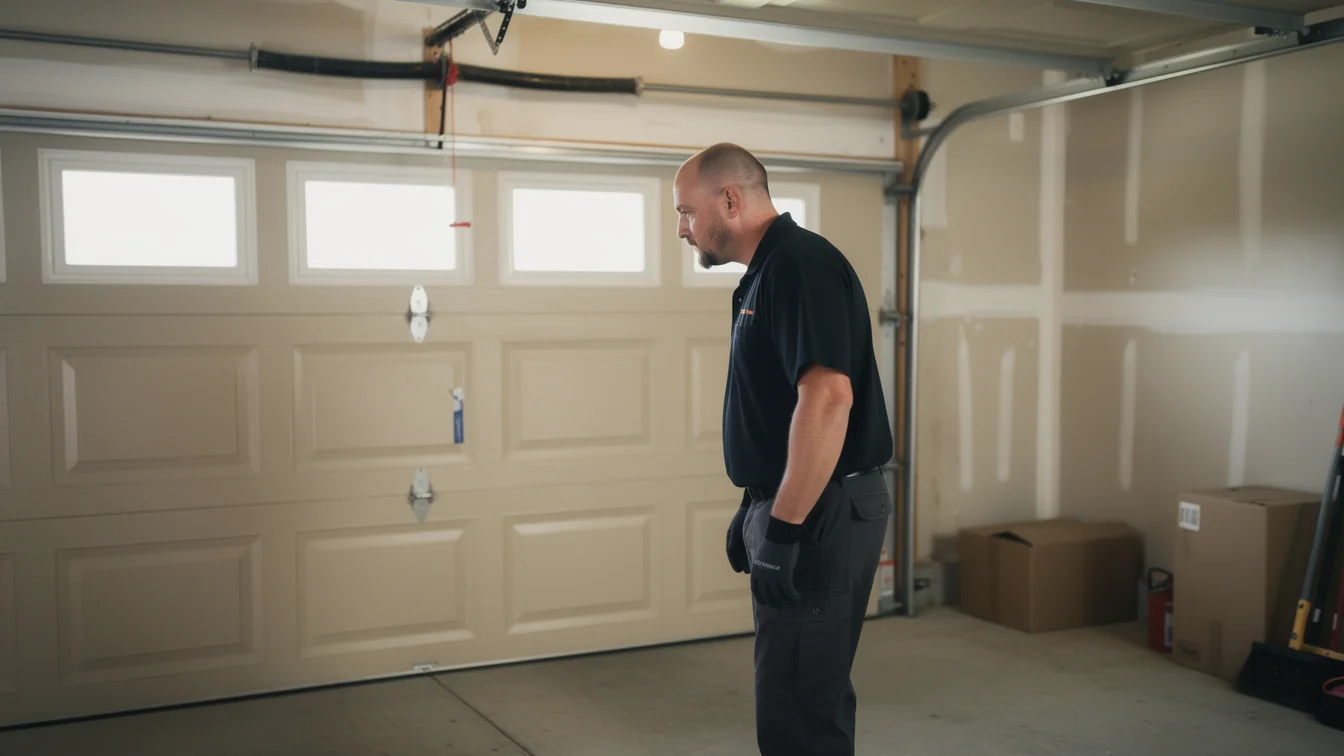
What That Noise From Your Garage Door Is Actually Telling You
Edinburg homes built between 1984 and 2005 share the same aging opener parts and heat-stressed hardware.
Read moreBlogEdinburg, TX · 4 min read
Most Edinburg homes went up between 1984 and 2005, before insulation requirements reached garage doors. Here's what that means for heat, repair, and cost.
Local detail
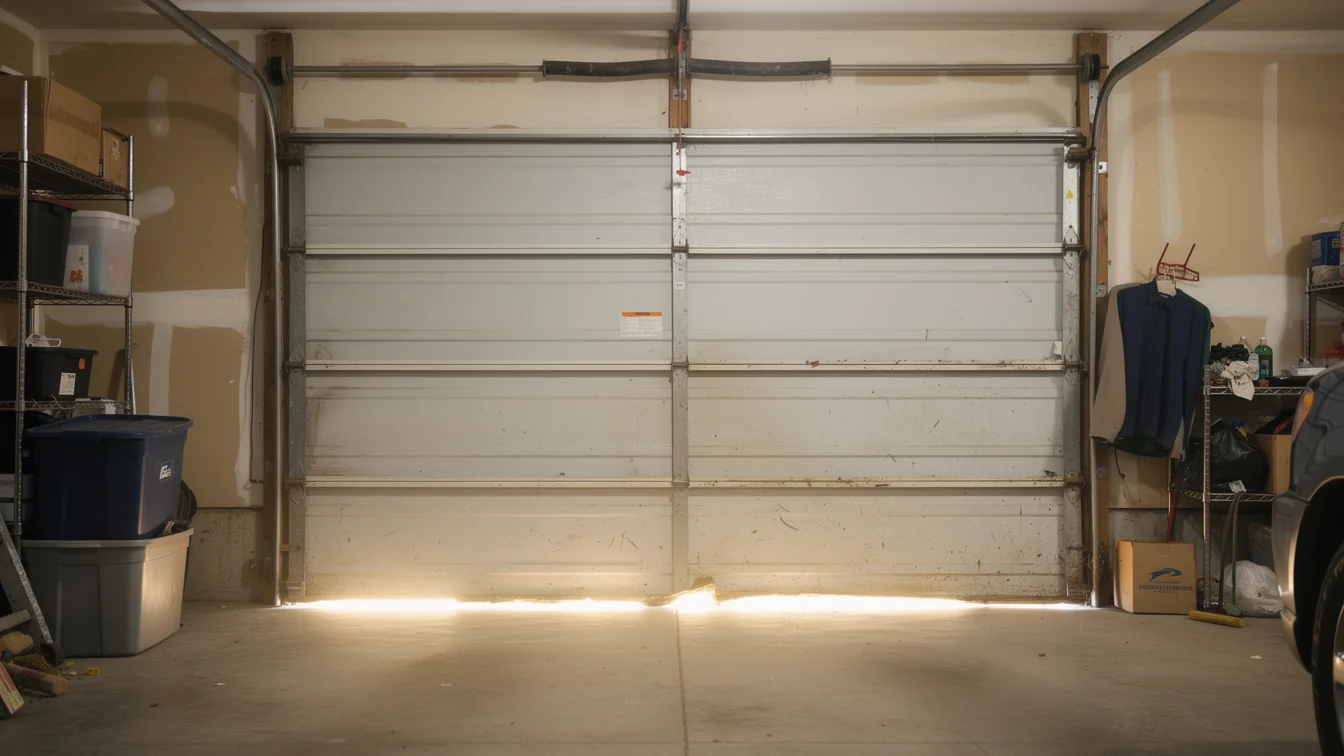
Across the 38 named areas we track in this part of the Valley, the housing stock is mostly 1980s and 90s construction, with a median build year of 1996. That matters more than people think. Builders in that stretch were putting up garage doors to the standard of the day, and the standard of the day did not require insulated panels. A huge share of the doors on houses in César Chávez, Doolittle, Lopezville, and the rest of the service area are single-layer steel or thin composite, hung on hardware sized for a mild climate assumption that never matched reality here.
Our climate band is rated severe heat, and a non-insulated door does nothing to slow that heat transfer into the garage. If your garage shares a wall with a bedroom or a laundry room, or if the attic space above it ties into the house's duct run, that heat load doesn't stay in the garage. It moves. Owners in homes from that build era often notice the attached room runs warmer than the rest of the house, and the door is usually part of why.
This isn't a defect. It's just what came standard when these neighborhoods went up. The fix isn't always a new door - sometimes it's weatherstripping and a bottom seal that actually seats, which costs a lot less.
The area
A door built to 1990s spec wasn't engineered around daily severe-heat cycling. Steel expands and contracts, and over three decades of that cycling, the places where panels bolt to hinges and rollers seat into track start to show it. Tracks pull slightly out of plumb. Rollers that were fine for twenty years start grinding because the steel they ride in has shifted a few degrees.
The springs are the other half of it. A torsion spring sized for a non-insulated, lighter panel from the 90s is a known quantity, but once an owner swaps in a heavier insulated replacement door without re-balancing the spring, the opener starts doing work it isn't built for. We see this pattern a lot in houses from this era: a well-meaning upgrade that created a new strain nobody budgeted for.
None of this is unique to one house. It's the pattern across a whole cohort of homes built in the same twenty-year window, with the same original hardware aging out at close to the same time. That's useful to know, because it means the fix for one house on your street is probably close to the fix needed two doors down.
What we find
Call before the door fails completely, not after. If a non-insulated door from this era is starting to show rust at the bottom panel seam, or the weatherstrip has gone brittle and cracked from years of heat exposure, that's worth a look now rather than during the next heat spell when everyone else is calling too.
A grinding roller, a door that drifts open on its own, or an opener that strains and reverses partway up are all signs the balance has shifted - common on original hardware from 1984-2005 builds that's never been re-torqued. Don't keep running the opener through it. That's how a cable snaps or a spring lets go under load.
One honest limitation: if the door itself is original and the track, hinges, and springs are all original too, sometimes the math says replace rather than repair. Parts for some of that older hardware aren't something we stock, and sourcing them can take longer than most owners want to wait with a door that doesn't close right. We'll tell you straight which side of that line your door falls on.
How we work
We don't have a flat number to put here, and giving you one would be a guess dressed up as a fact. What we can tell you is that income levels across this service area sit around a $46,544 median household income, and with 56,269 owner-occupied houses out of roughly 105,212 households total, a lot of the work we do is weighing repair against replacement with that budget in mind - not pushing the biggest ticket item every time.
A re-balance, a new bottom seal, or swapped rollers on an original-era door is usually the cheaper path and often the right one. A full insulated replacement makes more sense once the original panels are rusted through or the door's been limping along on mismatched hardware for years. We'll walk the actual door with you and give you a number for your situation, not a range pulled from a brochure.
Questions
Possibly. A lot of houses in this build window still have their original door and opener. Look for a steel panel with no foam backing visible at a cut edge, or a torsion spring with surface rust and no model sticker - both point to original equipment from that era rather than a later replacement.
It helps the garage itself stay closer to outdoor shade temperature instead of trapping heat against a hot panel all afternoon. Whether it's worth the cost depends on whether that garage connects to living space. If it's a detached or isolated garage, the payoff is smaller.
Usually it's spring balance drifting on original hardware, or a heavier replacement panel installed without re-torquing the spring to match. Either way, an opener working harder than it should wears out faster and is worth having checked before it fails outright.
Recommendation
More garage door guides for Edinburg homeowners.
Edinburg homes built between 1984 and 2005 share the same aging opener parts and heat-stressed hardware.
Read more
Most Edinburg garages were built 1984-2005 in a severe-heat climate band.
Read more
Edinburg homes built 1984-2005 run aging openers through brutal summer heat.
Read moreReady when you are
Edinburg Garage Door Pros repairs and installs garage doors, springs and openers in Edinburg, TX and the surrounding area.