
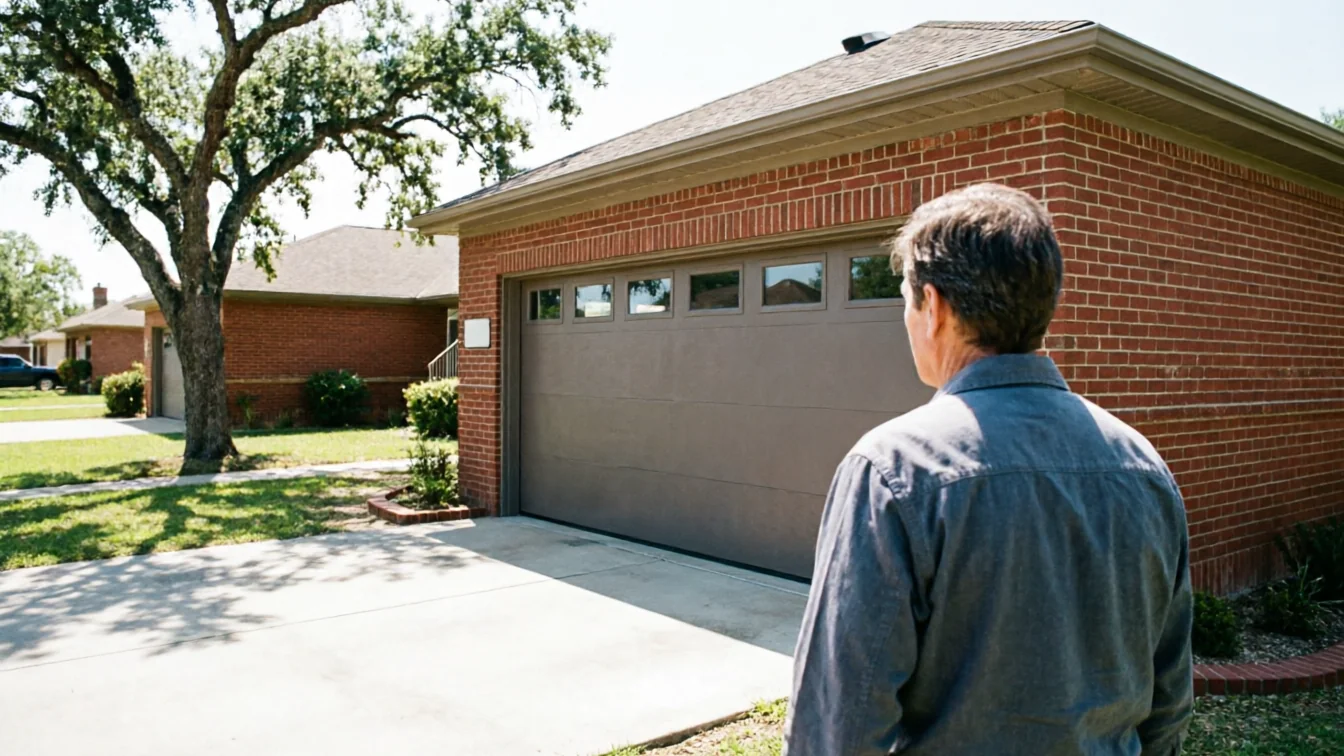
Garage Doors in Edinburg: What the 1990s Build Era and the Heat Do to Yours
Edinburg homes mostly date to 1984-2005.
Read moreBlogEdinburg, TX · 3 min read
Most Edinburg homes date to 1984-2005. Here's how that housing stock and our heat decide whether your garage door is worth repairing or replacing.
Local detail
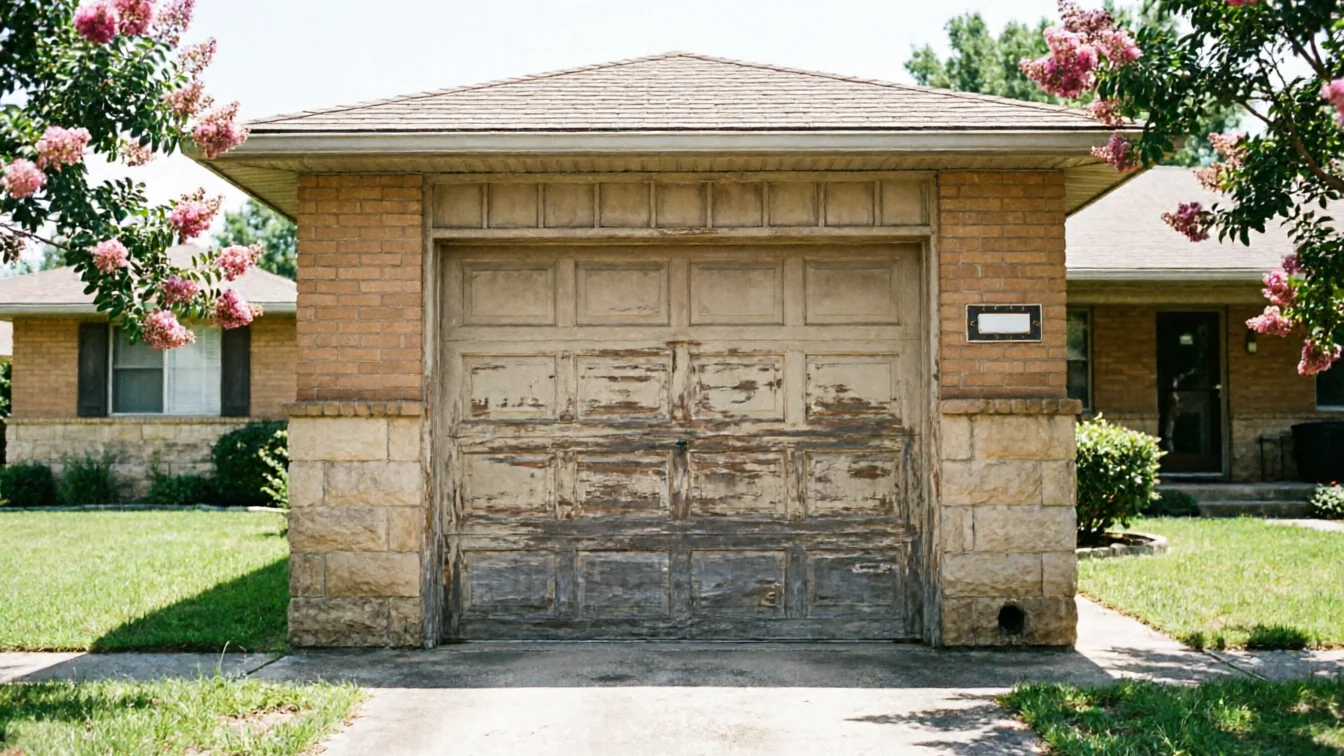
Most houses across this service area, from the neighborhoods near César Chávez and Doolittle out toward Lopezville and San Carlos, were built between 1984 and 2005, with the median landing around 1996. That's a narrow window, and it matters because it means most of the original garage doors and openers in this area are now 20 to 40 years old, pushing the end of a normal service life all at once rather than spread out.
The other piece is heat. This is a severe-heat climate band, and that's hard on garage door equipment in specific ways: nylon rollers go brittle and crack, lubricant on torsion springs cooks off faster than it would in a mild climate, and openers with aging capacitors struggle on the worst afternoons. A door that's merely old in a cooler market is often a door that's actually failing here, because the heat has already done a decade of extra wear on top of the calendar.
If your house falls in that 1984-2005 build range, the door is original or close to it more often than homeowners expect, and that changes the math on repair versus replace.
The area
A door built in the 1990s was built to 1990s standards, with hardware and springs sized for a torque spec that's now out of step with current opener weight ratings and wind-load expectations. When one part fails, usually a spring or a roller, it's rarely isolated. The bottom bracket, the cable drum, and the track alignment have all been absorbing the same heat cycling for the same 20-plus years.
The honest problem is this: on a door that old, a single repair often buys you a few months before the next part goes. We'll fix what's broken, but we won't pretend a $200 spring job resets a door that's been baking in this climate since the Clinton administration. If the springs, rollers, and opener are all original, you're not fixing a door - you're managing its decline one part at a time.
What we find
Call before the door fails completely, not after. A torsion spring that's visibly stretched or has a gap where it's separated, a door that slams the last foot of travel instead of lowering evenly, or an opener that runs hot and shuts off mid-cycle - these are signs the system is past patching and into replacement territory, especially on houses built in that 1984-2005 window where everything is aging out together.
If your door is newer than that build range, or you've already replaced the opener and springs more recently, a single repair call makes more sense. We'll tell you straight which category you're in once we've looked at the hardware, not before.
How we work
We don't have a flat number to quote you here, and we're not going to invent one. What we can tell you is that the decision point is usually hardware age, not cosmetic wear. A door with a scratched panel but a torsion spring and rollers from the last five years is almost always worth fixing. A door with original 1990s-era springs, even if the panels still look fine, is close to the point where a second repair costs nearly as much as starting over with a properly sized system for current opener weight and local wind-load spec. Ask for both numbers - the repair and the replacement - before you decide, so you're not guessing.
Questions
On houses across this area built between 1984 and 2005, yes, it's common for the door, springs, and sometimes the opener to be original or only partially replaced. We can tell you quickly once we see the spring winding and the opener model plate.
Yes. This area sits in a severe-heat climate band, and that heat cycling dries out lubricant, cracks nylon rollers, and stresses opener electronics faster than a milder climate would. A door that's merely old elsewhere is often further along in failure here.
Sometimes, if the track and opener are still sound. But on a door original to a 1980s-90s build, a second spring failure usually means the rest of the hardware is close behind. We'll look at the whole system before recommending a second patch job.
Recommendation
More garage door guides for Edinburg homeowners.
Edinburg homes mostly date to 1984-2005.
Read more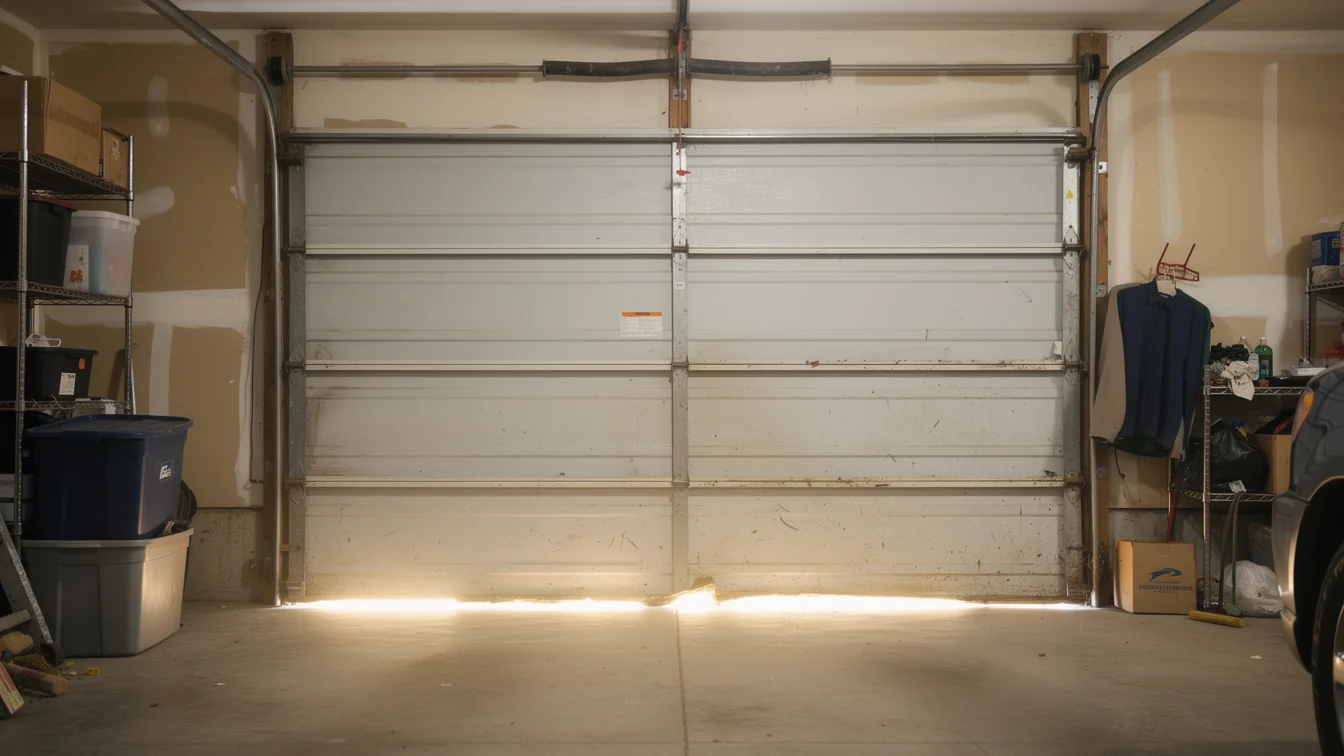
Most Edinburg homes went up between 1984 and 2005, before insulation requirements reached garage doors.
Read more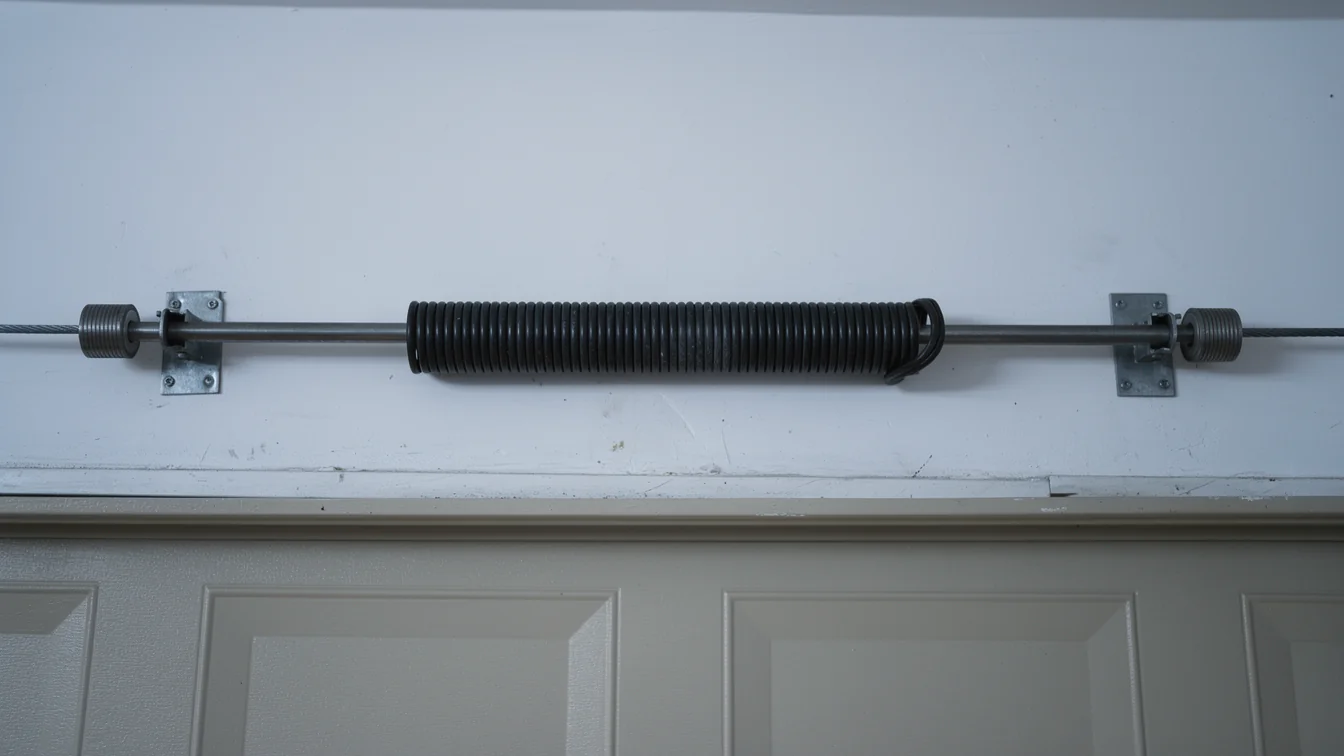
Edinburg Garage Door Pros explains why torsion springs fail in Edinburg's severe heat, not cold, and what 1984-2005 housing stock means for your repair.
Read moreReady when you are
Edinburg Garage Door Pros repairs and installs garage doors, springs and openers in Edinburg, TX and the surrounding area.