
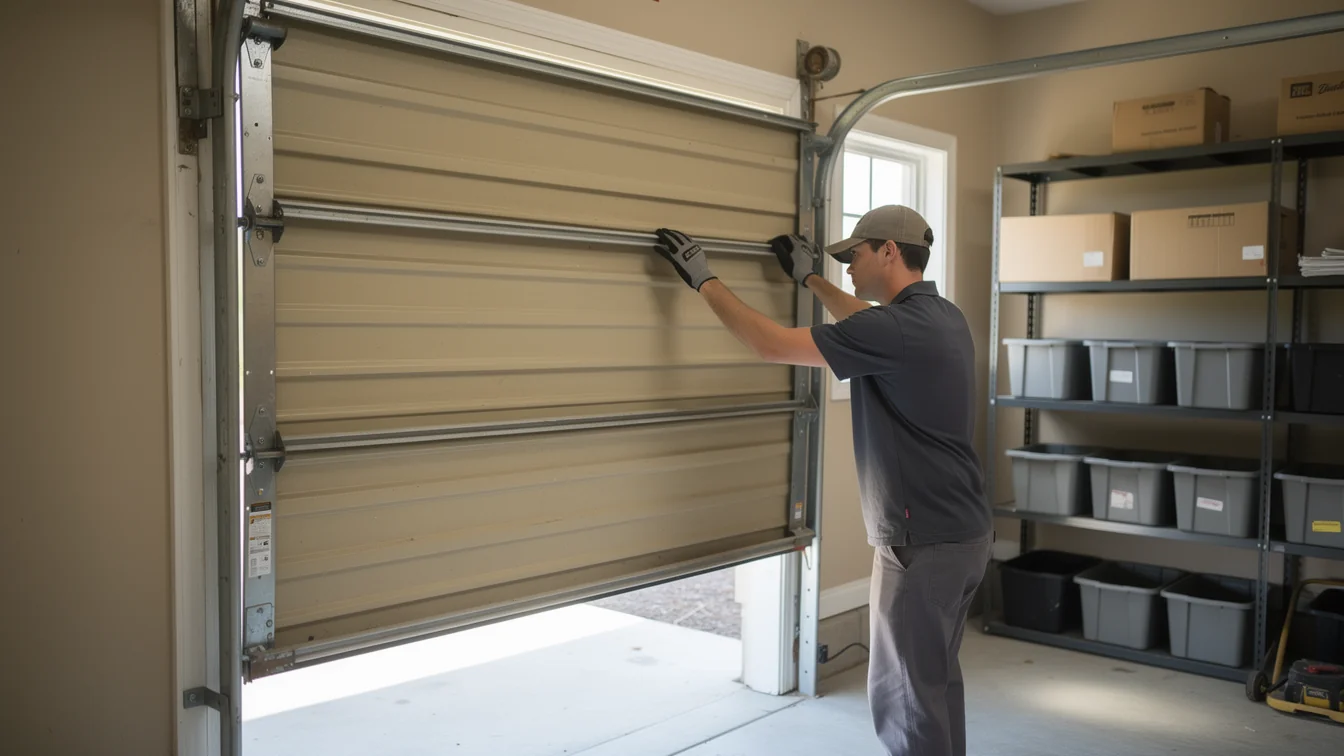
What a Technician Checks First on an Edinburg Garage Door
Edinburg Garage Door Pros explains what a tech checks first on doors built 1984-2005, why severe heat wears springs faster, and what actually drives the cost of a repair.
Read moreBlogEdinburg, TX · 4 min read
A look at what Edinburg Garage Door Pros actually checks on a service call, built around this town's 1984-2005 housing stock and severe heat climate band.
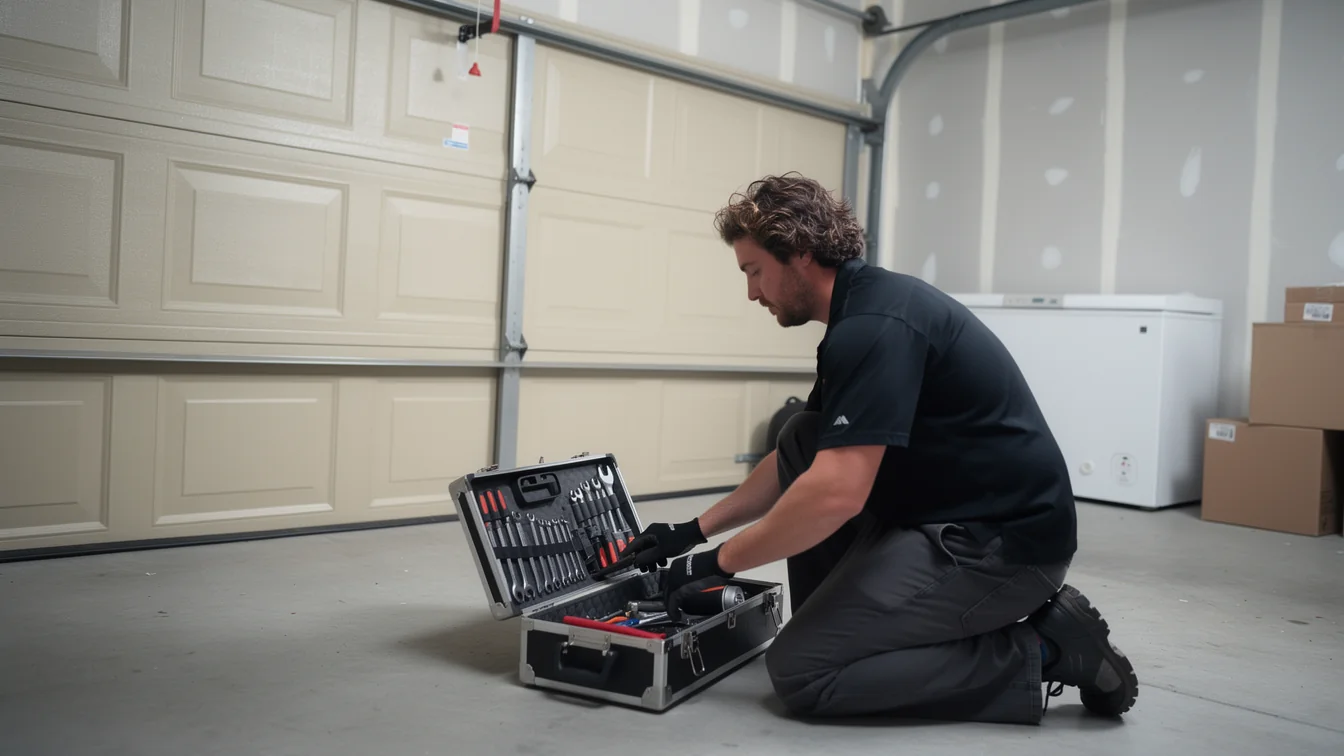
Local detail
Most of the houses we work on in Edinburg went up between 1984 and 2005, with the median build year sitting around 1996. That means the bulk of the doors and openers we see are somewhere between 20 and 40 years old, and a lot of that original hardware is still in place because nobody thought to replace it before it failed. Across the 38 named areas we cover, the story is the same: 1980s and 90s stock, aging in place.
Edinburg sits in a climate band we classify as severe heat, and that matters more for garage doors than most homeowners expect. Steel panels expand and contract through long stretches of triple-digit afternoons, nylon rollers dry out and crack faster than the box says they should, and opener logic boards mounted on an unconditioned garage ceiling take a beating from heat soak that a unit in a milder climate never sees. When we show up for a call here, we're not guessing at this - we're checking parts we already expect to be stressed.
So a service call in this town starts with the two things the house itself tells us: how old the hardware probably is, and how hard the heat has been working against it.
The area
The complaint is almost always one of three things: the door won't open, the door opens but sounds like it's dying on the way up, or the opener runs but the door doesn't move. On a house built in the 1996 median range, the first thing we look at is the torsion spring - original springs from that era are rated for a cycle count that most of them have now blown past, and heat-cycling the metal for 25-plus summers doesn't do it any favors.
On the noise complaints, it's usually rollers or the track itself. Severe heat climates dry out factory lubricant faster than a mild one, so a roller that would still be quiet in a cooler region is grinding here years earlier than the manufacturer's spec sheet assumes.
On opener failures, we check the logic board and the sensor eyes before we touch anything mechanical. A board that's spent two decades in an Edinburg garage attic-adjacent space has absorbed a lot more heat soak than the same board in, say, a basement-heavy market up north, and that shortens the life of the capacitors inside it.
We don't replace parts that aren't the problem. If the spring is fine and it's a $20 sensor, that's what we tell you.
What we find
Call if the door reverses on its own before it hits the floor, if you hear a loud bang followed by the door refusing to move at all (that's almost always a broken torsion spring, and it's not a DIY fix), or if the opener runs but the door doesn't budge - that's usually a stripped gear or a disconnected arm, not something to force.
Don't call, just watch it: a door that's slightly noisier on the hottest days of summer and quiet again once it cools off. That's often just thermal expansion in the track doing exactly what steel does in a severe-heat climate, and it doesn't need a truck roll every time the temperature swings.
We'll be honest about the limitation here: if your opener is original to a 1980s or early-90s build, parts for it may not exist anymore, full stop. At that point we're not going to pretend we can source a 30-year-old logic board. We'll tell you straight that replacement makes more sense than repair, and why.
How we work
We don't post a flat rate here because the honest answer depends on what's actually broken - a roller swap and a torsion spring replacement on a double door are not the same job, and quoting one price for both would be a guess dressed up as a fact. What we can tell you is how we price a visit: we diagnose first, we tell you what's wrong and what it takes to fix it, and you decide before any part gets replaced.
Given the age of housing stock across this service area - 1984 to 2005 construction is the norm, not the exception - a lot of our calls end up being spring or opener-board replacement rather than a quick adjustment, simply because the hardware has aged out. We'll always tell you if a repair is close enough in cost to a replacement that replacement is the smarter move long-term.
Questions
Steel panels and tracks expand in severe heat, which is the climate band Edinburg falls into. That expansion can make rollers and hinges sound rougher on the hottest days and settle back down once temperatures drop. If the noise is seasonal and not constant, it's often not an emergency.
If your home was built in the 1980s or early 90s and the opener is original, the logic board may be past the point where parts exist. We'll check it on the call and tell you straight whether repair is realistic or whether replacement is the better use of your money.
We cover the surrounding area including places like César Chávez, Doolittle, Lopezville, San Carlos, and other nearby communities within roughly a 15-mile radius of Edinburg.
Recommendation
More garage door guides for Edinburg homeowners.
Edinburg Garage Door Pros explains what a tech checks first on doors built 1984-2005, why severe heat wears springs faster, and what actually drives the cost of a repair.
Read more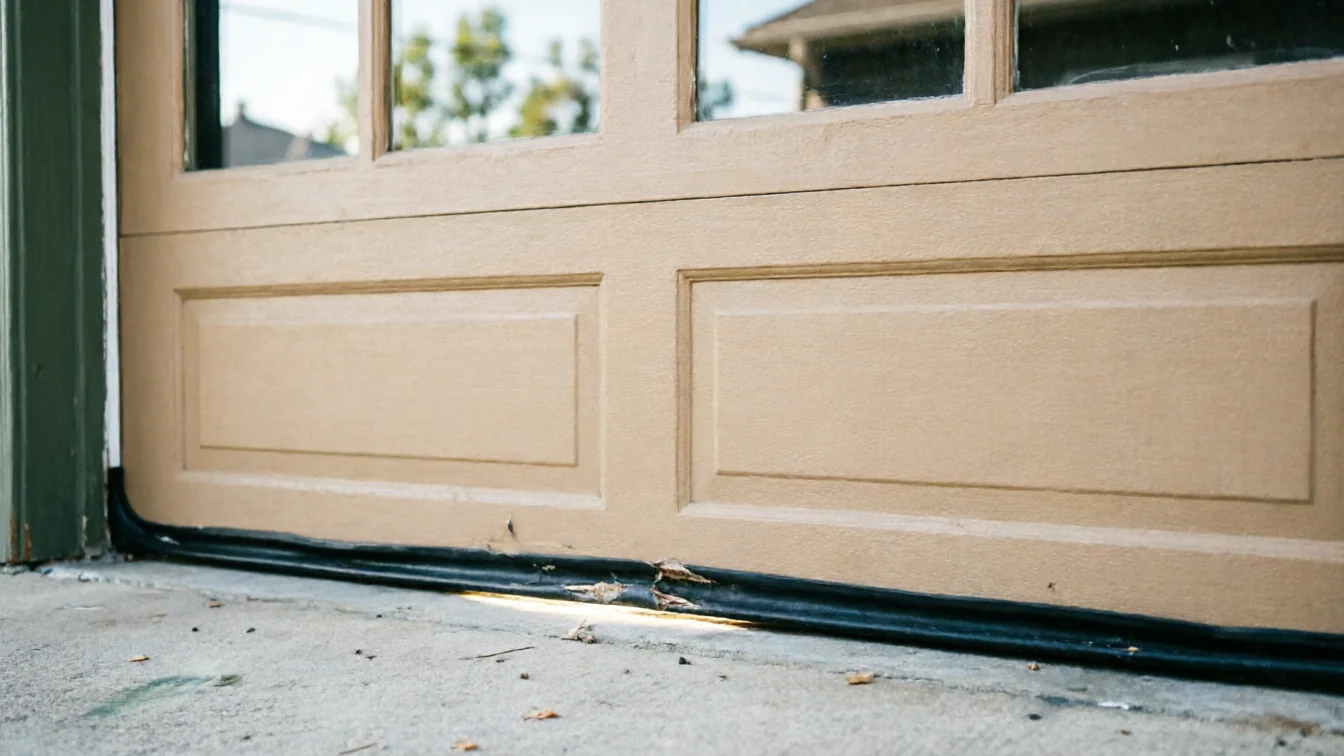
Most Edinburg garages were built 1984-2005 in a severe-heat climate band.
Read more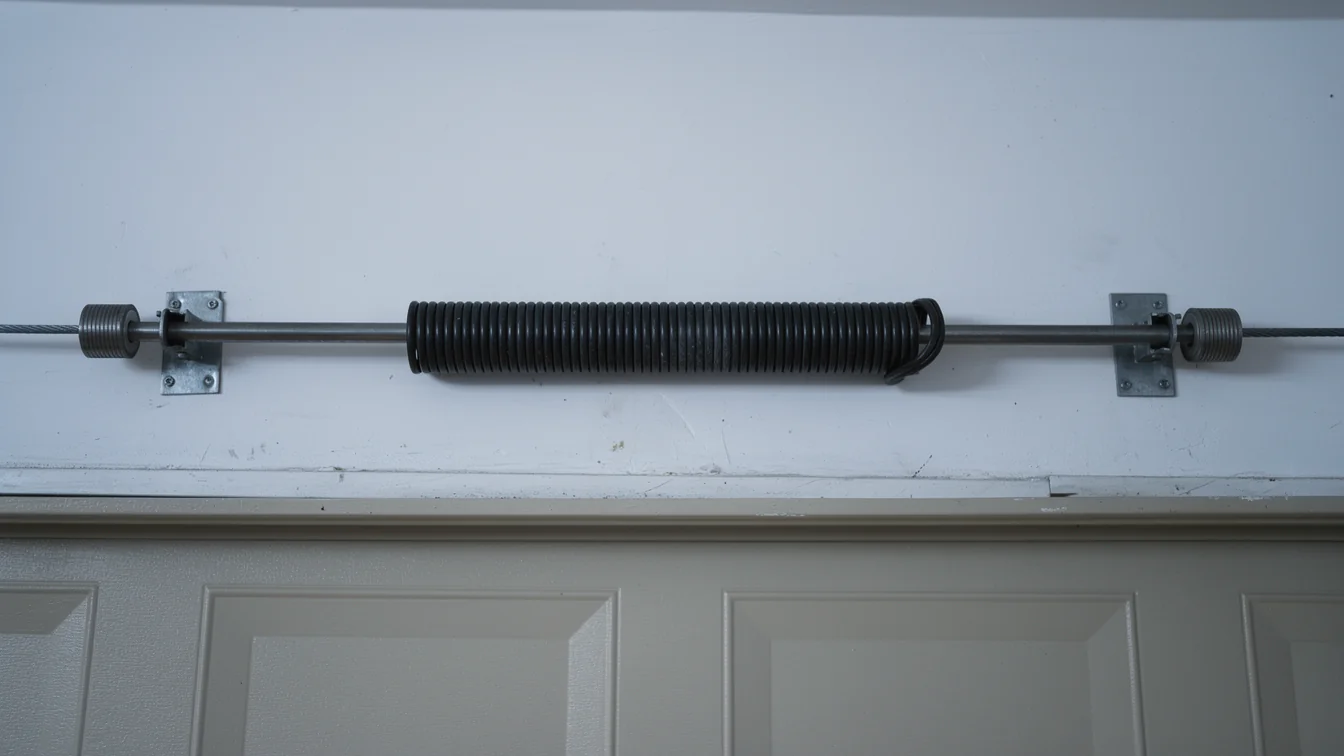
Edinburg Garage Door Pros explains why torsion springs fail in Edinburg's severe heat, not cold, and what 1984-2005 housing stock means for your repair.
Read moreReady when you are
Edinburg Garage Door Pros repairs and installs garage doors, springs and openers in Edinburg, TX and the surrounding area.