
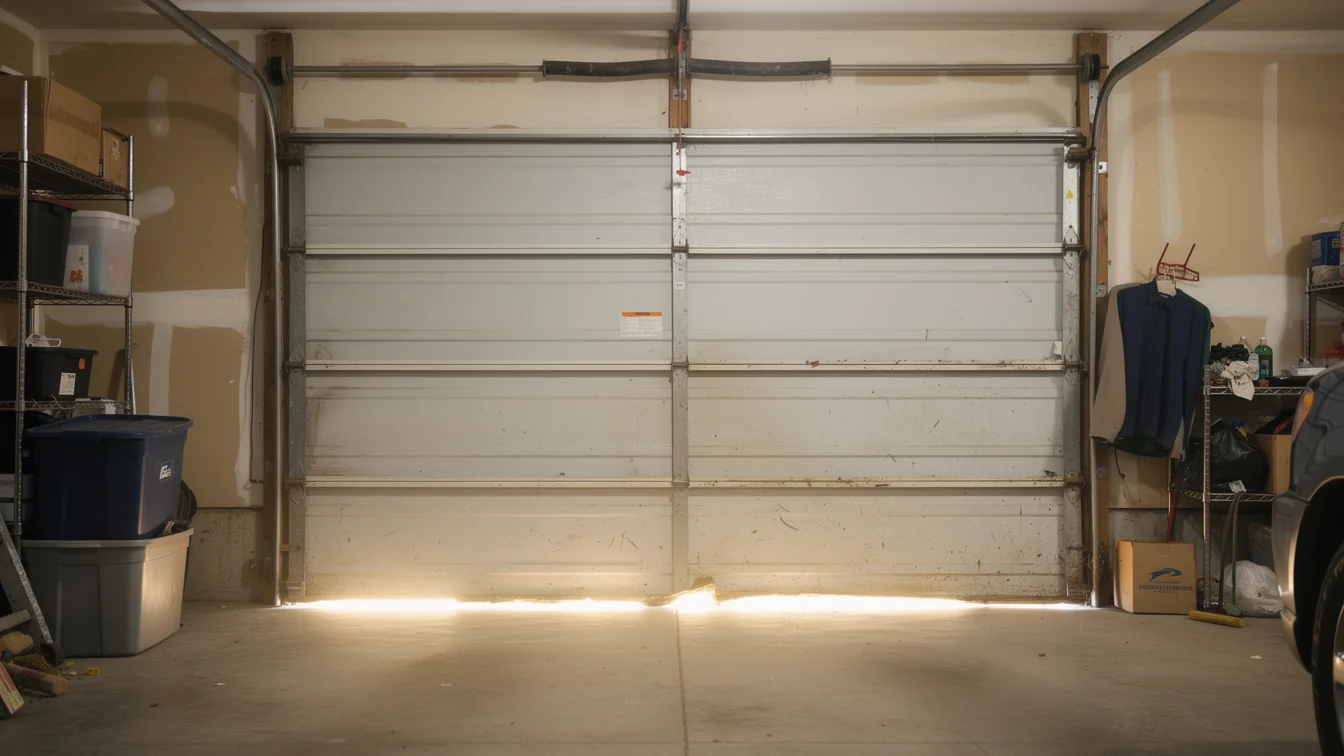
Garage Doors on Houses Built Before Insulation Rules
Most Edinburg homes went up between 1984 and 2005, before insulation requirements reached garage doors.
Read moreBlogEdinburg, TX · 4 min read
Edinburg homes built between 1984 and 2005 share the same aging opener parts and heat-stressed hardware. Here's what each sound means and when to call.
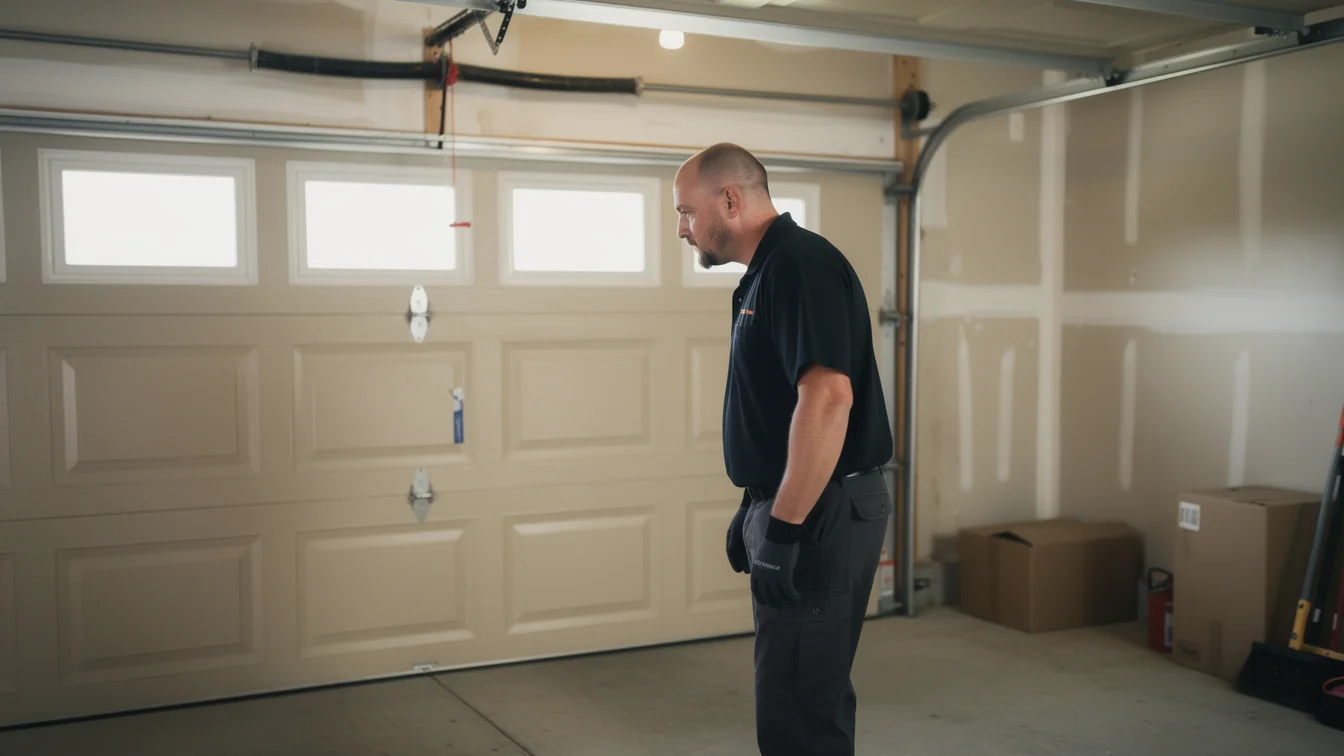
Local detail
Most houses on this side of the Rio Grande Valley, from near César Chávez out through Doolittle and Lopezville, went up between 1984 and 2005, with the typical build year sitting around 1996. That means the openers and torsion springs on a lot of Edinburg garage doors are now pushing past the age where plastic gears, nylon rollers, and factory lubricant start giving out. Add in a climate band rated severe heat, and you've got a second problem stacked on top of the first: summer pavement and attic-adjacent garage temperatures here run hot enough, for long enough, that grease breaks down faster than it would somewhere milder. Steel expands, lubricant thins out, and metal-on-metal contact starts happening where there used to be a cushion. A door that was quiet in March can start grinding by July for no reason other than heat doing its slow work on 20-to-30-year-old hardware. This isn't a one-off coincidence - it's the pattern across the 38 named areas that make up this stock, where the same builders used the same parts in the same decade. If your house falls in that build window, the noise your door makes this summer is probably not random.
The area
A grinding or growling sound when the door travels usually means a roller or bearing has worn past its lubrication point - common once a door hits the 15-to-20-year mark, which puts a lot of 1980s-and-90s Edinburg doors squarely in that zone. A loud bang followed by the door refusing to open is almost always a broken torsion spring; the bang is the spring letting go under tension, and the heat-cycling this hardware goes through here speeds up metal fatigue. A rhythmic squeak or chirp as the door moves is often just a dry hinge or roller - the cheapest fix on this list, if you catch it early. A door that shudders or jerks instead of running smooth usually points to a bent track or a cable starting to fray, which heat-swollen wood jambs (common in this build era) can make worse by pulling the track out of true. None of these are the same repair, and none of them get better on their own.
What we find
Call right away if you hear a bang and the door won't move - that's a broken spring, and a door on one working spring (or none) can come down fast and hurt someone trying to force it. Call soon, not urgently, for a steady grind or squeal that's been building over weeks; that's wear, not failure, but it's heading toward failure. If the noise only shows up on the hottest afternoons and goes away by evening, that's heat-expansion noise in the track or jamb, and it's worth a look but it's not an emergency. One honest limit: if your opener is original to a house built in the mid-1980s to early-1990s, parts for that specific unit may no longer be made, and a repair quote on it can cost close to a replacement - we'll tell you straight if that's the case instead of patching something that'll fail again in a year.
How we work
We don't have a flat number to quote here, and we'd rather tell you that than make one up. What a repair costs depends on what's actually worn - a roller and hinge job is a different bill than a spring replacement, and a spring job on a heavier double door is different from a single. What we can say is that with median household income in this service area around $46,544, we try to give a straight diagnosis before any work starts, so you're deciding on real numbers, not a guess over the phone. If a repair on an older opener is going to run close to what a new one costs, we'll say so plainly rather than let you pay twice.
Questions
That bang is almost certainly a torsion spring snapping under tension. It's common on doors from the 1984-2005 building wave once the spring fatigues, and it's not safe to force the door open manually afterward - the remaining tension can still move the door unexpectedly.
Severe summer heat here expands metal track and can swell wood door jambs common in this era's construction, which changes clearance just enough to create a rub or squeak that disappears once things cool down. It's worth checking, but it's rarely an emergency.
Yes - plastic gears and nylon rollers in openers from the 1980s and 90s wear out, especially with the extra heat-cycling common in this climate. Grinding usually means lubrication failure or a worn gear, both of which get worse, not better, if left alone.
If the unit is original to a house from the mid-1980s to early-1990s, parts can be hard to source, and a repair bill can approach the cost of a new opener. We'll give you a straight comparison before you commit to either.
Recommendation
More garage door guides for Edinburg homeowners.
Most Edinburg homes went up between 1984 and 2005, before insulation requirements reached garage doors.
Read more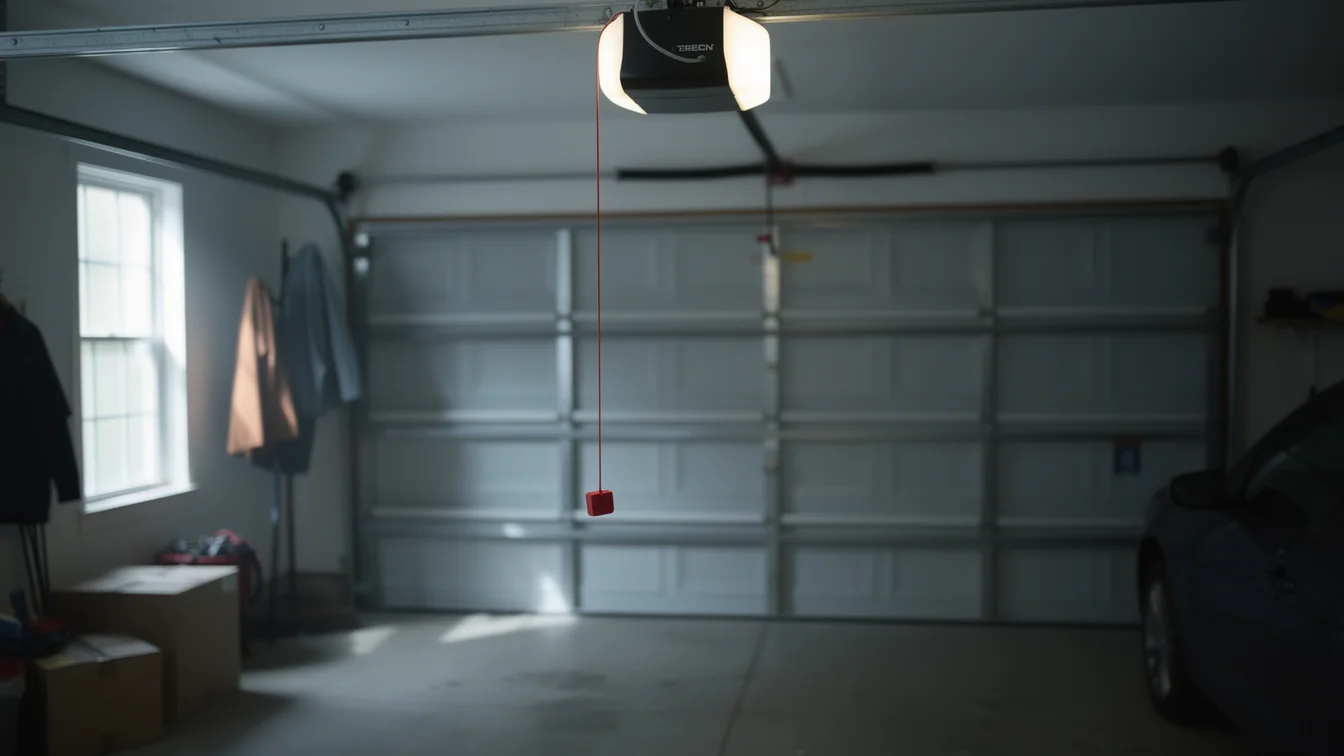
Edinburg homes built 1984-2005 run aging openers through brutal summer heat.
Read more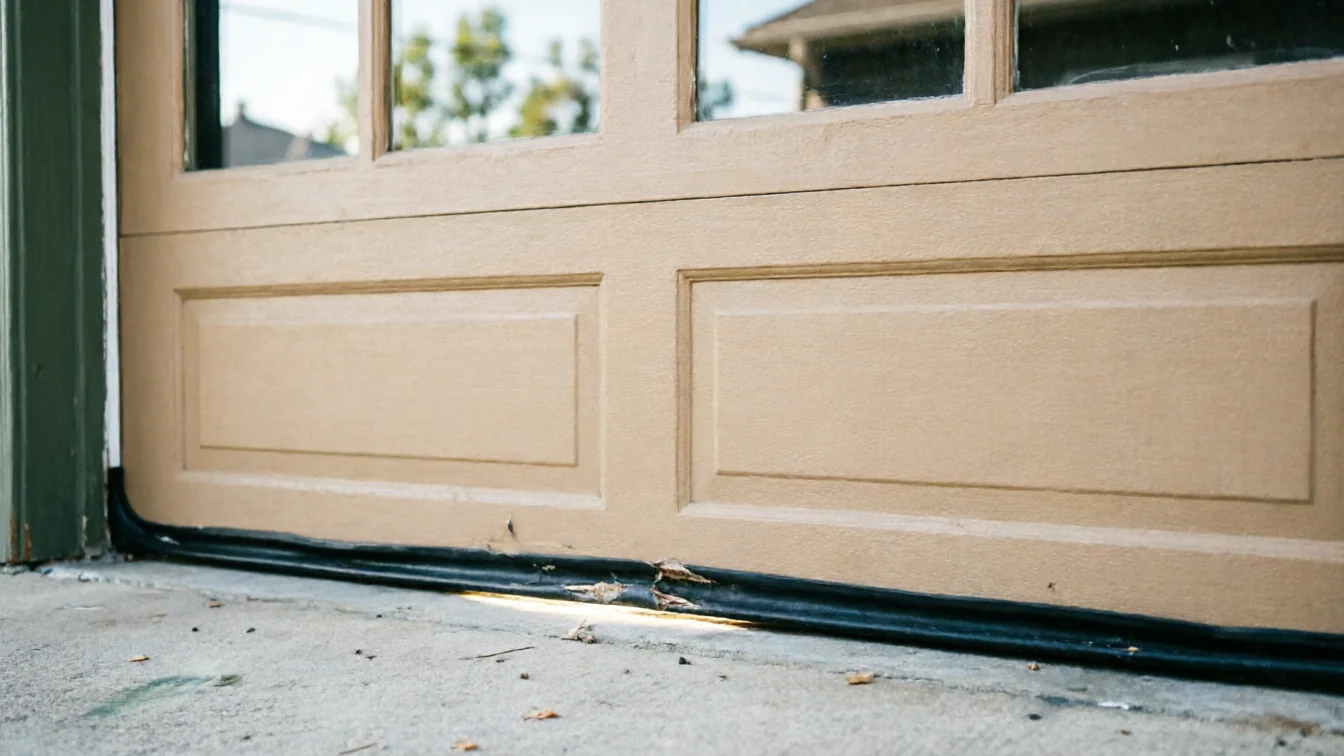
Most Edinburg garages were built 1984-2005 in a severe-heat climate band.
Read moreReady when you are
Edinburg Garage Door Pros repairs and installs garage doors, springs and openers in Edinburg, TX and the surrounding area.